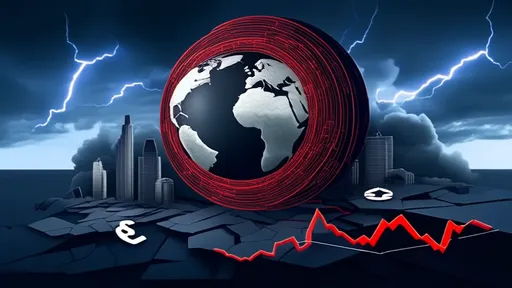
The global financial landscape is once again under scrutiny as UBS sounds the alarm on an impending debt crisis. With economies still reeling from the aftershocks of the pandemic and geopolitical tensions adding fuel to the fire, the warning couldn’t have come at a more precarious time. Emerging markets, in particular, find themselves on the front lines of this brewing storm, their vulnerabilities laid bare by soaring borrowing costs and dwindling foreign reserves.
According to UBS analysts, the world is sitting on a ticking time bomb of debt, one that threatens to destabilize not just individual nations but the entire global economic order. The numbers are staggering—global debt has ballooned to unprecedented levels, with governments, corporations, and households all contributing to the pile. But it’s the developing world that faces the most immediate risks, as rising interest rates and a strong dollar exacerbate existing financial strains.
The perfect storm for emerging markets
Emerging economies have long relied on foreign capital to fuel growth, but the tables are turning. As central banks in advanced economies tighten monetary policy to combat inflation, capital is flowing out of riskier markets at an alarming pace. This exodus has left many countries struggling to service their dollar-denominated debts, a scenario reminiscent of the crises that rocked Latin America and Asia in decades past.
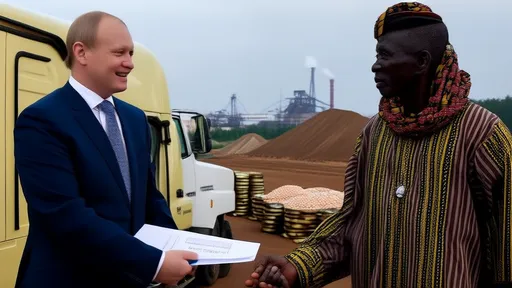
Countries like Sri Lanka and Zambia have already defaulted, while others, including Ghana and Egypt, are teetering on the brink. The situation is particularly dire for nations that borrowed heavily during the era of cheap money, only to find themselves trapped as financing conditions soured. The irony is cruel: the very policies designed to stabilize advanced economies are now destabilizing the developing world.
A dollar-dominated dilemma
The strength of the US dollar has only compounded the problem. With most emerging market debt denominated in greenbacks, every uptick in the currency’s value makes repayments more expensive. Local currencies, meanwhile, have taken a beating, further eroding the ability of these nations to meet their obligations. This vicious cycle shows no signs of abating, especially as the Federal Reserve signals its intent to keep rates higher for longer.
Even countries with relatively strong fundamentals aren’t immune. Brazil and South Africa, for instance, have seen their borrowing costs spike despite maintaining disciplined fiscal policies. The message is clear: in today’s interconnected financial system, no emerging market is an island. Contagion risks loom large, and investor sentiment can turn on a dime.
The human cost of financial fragility
Behind the cold statistics lie very real human consequences. As governments divert scarce resources to debt servicing, critical spending on healthcare, education, and infrastructure takes a backseat. Inflation, already a scourge in many parts of the developing world, eats away at purchasing power, pushing millions closer to poverty. Social unrest, as seen in countries like Pakistan and Argentina, often follows in the wake of economic distress.
The political ramifications are equally concerning. History shows that debt crises frequently trigger leadership changes, both at the ballot box and through more tumultuous means. With populism on the rise globally, the stage is set for a wave of instability that could reshape geopolitical alliances and trade relationships.
Is there a way out?
UBS suggests that multilateral intervention may be necessary to prevent a full-blown crisis. The International Monetary Fund has already stepped up its lending activities, but its resources are finite and its conditions often politically unpalatable. Debt restructuring, while theoretically viable, remains fraught with complications, as seen in the protracted negotiations between Zambia and its creditors.
Some analysts argue that emerging markets must take matters into their own hands by diversifying their economies, building larger war chests of foreign reserves, and reducing reliance on dollar-denominated debt. Others point to the need for structural reforms to improve productivity and competitiveness. Whatever the solution, time is of the essence—the window for proactive measures is closing fast.
As the world grapples with overlapping crises—from climate change to supply chain disruptions—the last thing it needs is a full-blown debt meltdown. Yet unless swift action is taken, that’s precisely what may be in store. For emerging markets, the coming months could prove decisive in determining whether they weather the storm or become its latest casualties.

By /Aug 12, 2025

By /Aug 12, 2025
By /Aug 12, 2025

By /Aug 12, 2025

By /Aug 12, 2025

By /Aug 12, 2025

By /Aug 12, 2025

By /Aug 12, 2025

By /Aug 12, 2025

By /Aug 12, 2025

By /Aug 12, 2025

By /Aug 12, 2025

By /Aug 12, 2025
By /Aug 12, 2025

By /Aug 12, 2025

By /Aug 12, 2025

By /Aug 12, 2025

By /Aug 12, 2025

By /Sep 15, 2025
By /Aug 12, 2025