China and Gulf States Sign Free Trade Agreement, Oil Trade to be Settled in RMB

Aug 12, 2025 By

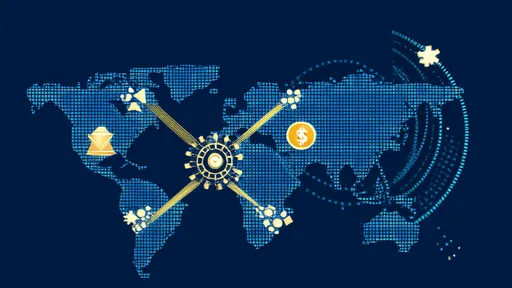
The recent free trade agreement between China and Gulf Cooperation Council (GCC) countries has sent ripples through global financial and energy markets. At the heart of this landmark deal lies a provision that could reshape international trade dynamics: the use of Chinese yuan for oil transactions. This strategic move represents more than just a technical adjustment in payment methods—it signals a potential shift in the global economic order that has been dominated by the US dollar since the 1940s.


For decades, the petrodollar system has served as the backbone of global oil trade, with nearly 80% of international oil sales conducted in US dollars. This arrangement has provided the United States with significant economic advantages, including lower borrowing costs and sustained demand for its currency. However, China's growing economic influence and its status as the world's largest oil importer have created conditions for challenging this long-standing paradigm. The new agreement with Gulf states marks the most concrete step yet toward establishing an alternative system.


The implications extend far beyond simple currency conversion. Energy analysts note that Saudi Arabia's participation in this yuan-denominated trade framework carries particular significance. As the de facto leader of OPEC and the world's largest crude oil exporter, Saudi Arabia's willingness to accept yuan payments could encourage other oil-producing nations to follow suit. This development comes after years of gradual preparation, including the launch of yuan-denominated oil futures contracts in Shanghai and the establishment of currency swap agreements between China and several Gulf states.


From the Gulf perspective, diversifying away from exclusive dollar dependence offers several advantages. The region's economic ties with China have deepened substantially over the past two decades, with bilateral trade growing from $10 billion in 2000 to over $230 billion in recent years. Accepting yuan payments allows Gulf exporters to better align their currency reserves with their trading patterns while reducing exposure to dollar volatility. Additionally, it provides access to China's vast consumer markets and investment capital without the added costs and risks of currency conversion.


The technical infrastructure to support this transition has been quietly developing. China's Cross-Border Interbank Payment System (CIPS), often described as an alternative to SWIFT, now handles transactions worth trillions of yuan annually. Meanwhile, the digital yuan pilot program has demonstrated the potential for blockchain-based solutions in international commodity trading. These developments address what had previously been a major obstacle to yuan internationalization—the lack of efficient settlement mechanisms outside China's borders.


Geopolitical considerations undoubtedly play a role in this economic recalibration. Gulf nations have increasingly pursued multi-alignment strategies, maintaining traditional Western partnerships while cultivating deeper ties with Asian powers. The yuan oil trade arrangement provides these countries with greater diplomatic flexibility amid shifting global power dynamics. For China, the move supports broader efforts to reduce vulnerability to US financial sanctions and dollar-dominated payment systems—a concern that has grown more pressing in light of recent geopolitical tensions.


Market reactions to the announcement have been measured but telling. While the dollar remains dominant in global finance, analysts observe growing interest in yuan-denominated assets among sovereign wealth funds and institutional investors. The inclusion of Gulf oil revenues in China's financial ecosystem could substantially increase offshore yuan liquidity, potentially accelerating the currency's journey toward becoming a truly global reserve currency. However, most experts caution that any transition will be gradual, with the dollar likely maintaining its primacy for the foreseeable future.


The practical implementation of yuan oil trade will face several challenges. Pricing benchmarks, contract standardization, and hedging mechanisms all currently revolve around dollar-based systems. Moreover, China maintains capital controls that could complicate large-scale international use of its currency. These factors suggest that initial yuan oil transactions may be limited to specific bilateral deals rather than replacing dollar pricing in global markets. Nevertheless, the symbolic importance of this development should not be underestimated—it represents the most significant challenge yet to the petrodollar's five-decade hegemony.


Looking ahead, the success of yuan-based oil trade will depend on multiple factors. China's ability to maintain economic stability, further open its capital markets, and provide attractive investment options for yuan holders will be crucial. Similarly, Gulf states will need to carefully balance their new Chinese partnerships with existing Western alliances. What's certain is that the global financial landscape is entering a period of transformation, with this China-GCC agreement marking an important milestone in the slow but steady diversification of international monetary systems.


As the world watches how this experiment in energy-currency realignment unfolds, businesses and governments alike are reassessing their strategic positions. The era of dollar dominance continues, but the cracks in its foundation are becoming more visible. Whether this leads to a genuine multipolar currency system or simply a modest diversification of reserve assets remains one of the most consequential economic questions of our time.



Recommend Posts
Business

Meta Abandons VR Hardware to Bet Big on Holographic Future

By /Aug 12, 2025

In a stunning strategic pivot that sent shockwaves through the tech industry, Meta announced this week it would cease development on all virtual reality hardware to focus exclusively on holographic projection technology. The move marks a dramatic course correction for the company formerly known as Facebook, which had staked its future on building the "metaverse" through VR headsets like its Quest product line.
Business

Disney's Streaming Business Turns Profitable for the First Time, Disney+ Subscribers Surpass 300 Million

By /Aug 12, 2025

The Walt Disney Company has reached a pivotal moment in its streaming strategy, with its direct-to-consumer business segment finally turning a profit for the first time since launching Disney+ in late 2019. This financial milestone comes as the company's combined streaming platforms surpassed 300 million subscribers globally, cementing Disney's position as a major player in the competitive streaming wars.
Business

Russia Offers Free Food to Africa in Exchange for Mineral Exploration Rights

By /Aug 12, 2025

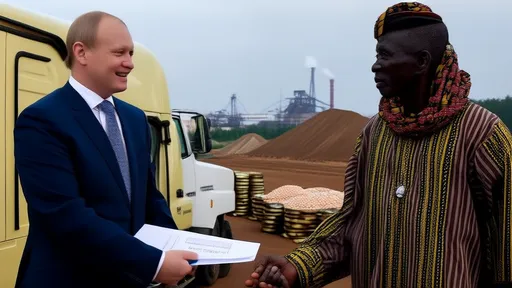
Russia has recently intensified its economic and political engagement with Africa through a controversial yet strategic initiative: offering free grain shipments in exchange for mining rights across the continent. This move, framed as humanitarian aid, underscores Moscow’s broader ambition to secure long-term access to Africa’s vast mineral wealth while countering Western influence in the region. The arrangement, however, has sparked debates about the true motives behind Russia’s generosity and its implications for African sovereignty.
Business

Samsung's 3nm Chip Yield Exceeds 80%, Challenging TSMC's Dominance

By /Aug 12, 2025

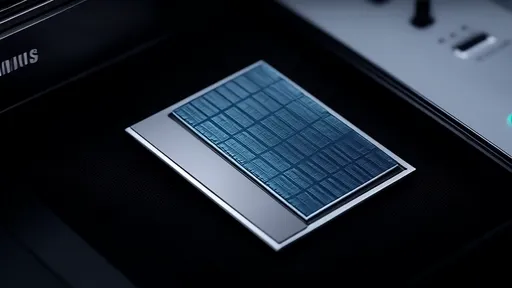
Samsung Electronics has reportedly achieved a significant breakthrough in its 3-nanometer (nm) chip manufacturing process, with yield rates surpassing 80%. This development marks a pivotal moment in the semiconductor industry, as it positions Samsung as a formidable competitor to Taiwan Semiconductor Manufacturing Company (TSMC), the long-standing leader in advanced chip production. The race to dominate the next generation of semiconductor technology is heating up, and Samsung's progress could reshape the global supply chain.
Business

Tesla Shanghai Factory Expands, Model 2 to be Exclusively for Emerging Markets

By /Aug 12, 2025

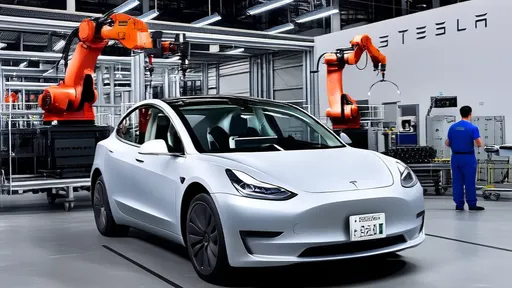
Tesla's Shanghai Gigafactory has long been the crown jewel of the company's global manufacturing strategy, serving as both an export hub and a key supplier for the Chinese market. Now, with its latest expansion plans, the facility is poised to take on an even more significant role—this time as the production base for the highly anticipated Model 2, a budget-friendly electric vehicle (EV) designed specifically for emerging markets. The move signals Tesla's aggressive push to capture demand in regions where affordability and local production are critical to success.
Business

China and Gulf States Sign Free Trade Agreement, Oil Trade to be Settled in RMB

By /Aug 12, 2025

The recent free trade agreement between China and Gulf Cooperation Council (GCC) countries has sent ripples through global financial and energy markets. At the heart of this landmark deal lies a provision that could reshape international trade dynamics: the use of Chinese yuan for oil transactions. This strategic move represents more than just a technical adjustment in payment methods—it signals a potential shift in the global economic order that has been dominated by the US dollar since the 1940s.
Business

Huawei Unveils World's First 5.5G Smartphone with Download Speeds Over 10Gbps

By /Aug 12, 2025

Huawei has once again pushed the boundaries of mobile technology with the launch of the world's first 5.5G smartphone, boasting download speeds exceeding 10Gbps. The announcement, made at a high-profile event in Shenzhen, marks a significant leap forward in wireless connectivity, positioning Huawei as a pioneer in the next phase of mobile network evolution. While competitors are still grappling with the full rollout of 5G, Huawei's latest innovation promises to redefine what users can expect from their mobile devices.
Business

Boeing Secures $50 Billion Order from Middle East Airlines, Alleviating 737 Max Crisis

By /Aug 12, 2025

Boeing has secured a monumental $50 billion order from Middle Eastern carriers, marking a significant step forward in the company's efforts to recover from the prolonged 737 Max crisis. The deal, announced earlier this week, includes commitments from several prominent airlines in the region, signaling renewed confidence in Boeing's troubled narrow-body jet. This development comes as a much-needed boost for the American aerospace giant, which has faced relentless scrutiny and financial setbacks since the grounding of the 737 Max in 2019 following two fatal crashes.
Business

SpaceX Starship's First Commercial Launch Success Intensifies Satellite Internet Competition

By /Aug 12, 2025

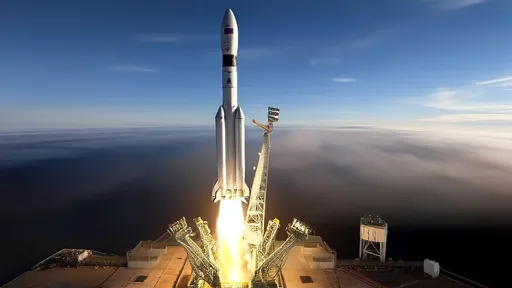
The recent successful commercial launch of SpaceX's Starship has sent ripples through the global satellite internet industry, marking a pivotal moment in the race to dominate space-based connectivity. With this milestone, Elon Musk's aerospace company has not only demonstrated the viability of its colossal rocket but also signaled its intent to aggressively expand its Starlink constellation. The implications for competitors, from established players like OneWeb to emerging challengers such as Amazon's Project Kuiper, are profound. The stakes have never been higher in this high-orbit showdown where technological prowess, regulatory maneuvering, and sheer launch capacity will determine who controls the final frontier of digital infrastructure.
Business

BRICS Nations Plan New Settlement System to Reduce Dependence on US Dollar

By /Aug 12, 2025

The global financial landscape is undergoing a subtle but significant shift as the BRICS nations—Brazil, Russia, India, China, and South Africa—move closer to establishing a new settlement system aimed at reducing their reliance on the US dollar. This initiative, long discussed in economic forums, is gaining traction as geopolitical tensions and economic uncertainties push emerging economies to seek alternatives to the dollar-dominated system. The proposed system could reshape trade dynamics among member states and beyond, challenging the hegemony of the greenback in international commerce.
Business

Microsoft Acquires OpenAI Rival, AI Arms Race Intensifies

By /Aug 12, 2025

The tech world is abuzz with Microsoft's latest strategic move: the acquisition of a prominent OpenAI competitor. This development has sent shockwaves through the artificial intelligence industry, signaling that the AI arms race is reaching unprecedented intensity. As giants like Microsoft, Google, and Amazon vie for dominance, the stakes have never been higher. The implications of this acquisition extend far beyond corporate boardrooms, potentially reshaping how AI technologies are developed, deployed, and regulated globally.
Business

Argentine Peso Plunges 12% in a Day, IMF Rushes to Discuss New Aid Plan

By /Aug 12, 2025

The Argentine peso plunged by a staggering 12% in a single day, sending shockwaves through global financial markets and prompting emergency talks between the International Monetary Fund (IMF) and the South American nation’s government. The dramatic currency collapse, the sharpest in years, has reignited fears about Argentina’s ability to service its massive debt obligations and stabilize its crisis-prone economy.
Business

Vietnam Surpasses China as Nike's Largest Production Base, US Exports Soar

By /Aug 12, 2025

The global sportswear manufacturing landscape has undergone a significant shift in recent years, with Vietnam emerging as Nike's primary production hub. This Southeast Asian nation has steadily surpassed China in becoming the most important manufacturing base for the world's largest athletic footwear company.
Business

UBS Warns: Global Debt Crisis Looms, Emerging Markets Most Vulnerable

By /Aug 12, 2025

The global financial landscape is once again under scrutiny as UBS sounds the alarm on an impending debt crisis. With economies still reeling from the aftershocks of the pandemic and geopolitical tensions adding fuel to the fire, the warning couldn’t have come at a more precarious time. Emerging markets, in particular, find themselves on the front lines of this brewing storm, their vulnerabilities laid bare by soaring borrowing costs and dwindling foreign reserves.
Business

Nvidia’s Market Cap Surpasses $5 Trillion as AI Chip Demand Soars

By /Aug 12, 2025

The tech world is witnessing an unprecedented surge in the valuation of Nvidia, the semiconductor giant whose market capitalization has now eclipsed the $5 trillion mark. This staggering milestone underscores the company’s dominance in the AI chip market, fueled by an insatiable global demand for advanced computing power. As industries from healthcare to automotive scramble to integrate artificial intelligence into their operations, Nvidia’s graphics processing units (GPUs) have become the backbone of this transformation.
Business

Saudi Sovereign Wealth Fund Increases Stake in US Tech Stocks, Betting on AI Wave

By /Aug 12, 2025

Saudi Arabia's Public Investment Fund (PIF), the kingdom's $700 billion sovereign wealth fund, has been quietly building substantial positions in leading U.S. technology companies as part of a strategic bet on the artificial intelligence revolution. According to recent regulatory filings and financial analysts, the Middle Eastern fund has significantly increased its exposure to American tech giants and emerging AI players during the second quarter of this year.
Business

ByteDance's TikTok Shop Under Investigation in the US, Potential Forced Sale Looms

By /Aug 12, 2025

The Biden administration has intensified its scrutiny of TikTok's e-commerce venture, TikTok Shop, amid growing bipartisan concerns over data security and the platform's Chinese ownership. Multiple sources familiar with the matter reveal that the Committee on Foreign Investment in the United States (CFIUS) is considering demanding ByteDance divest from its US operations or face a potential ban, marking a significant escalation in the years-long standoff between Washington and the viral video app.
Business

German Automakers Shift Gears: Accelerating Exit from China in Favor of Eastern Europe and Mexico

By /Aug 12, 2025

The once-booming Chinese automotive market, long considered the crown jewel of global car manufacturers, is witnessing a surprising exodus of German automakers. Companies like Volkswagen, BMW, and Mercedes-Benz are quietly but decisively shifting their production bases away from China, opting instead for new manufacturing hubs in Eastern Europe and Mexico. This strategic realignment marks a significant turning point in the global automotive industry and reflects deeper geopolitical and economic undercurrents reshaping international trade patterns.
Business

Global Central Banks' Super Week Begins: Fed Cuts Interest Rates for the First Time in Three Years, Many Countries Follow Suit

By /Sep 15, 2025

The global financial landscape witnessed a seismic shift this week as central banks across major economies initiated a synchronized move toward monetary easing, marking a pivotal moment in post-pandemic economic policy. The Federal Reserve's decision to cut interest rates for the first time in three years served as the catalyst, triggering a wave of similar adjustments from counterparts in Europe, Asia, and emerging markets. This coordinated action underscores growing concerns over slowing global growth, persistent inflationary pressures, and the need to preemptively stabilize financial markets amid escalating geopolitical tensions and trade uncertainties.
Business

Goldman Sachs Forecasts Global Inflation to Fall to 3% by 2026, but Short-Term Volatility Remains

By /Aug 12, 2025

Goldman Sachs recently released a forecast suggesting that global inflation is expected to moderate to around 3% by 2026, marking a potential return to pre-pandemic stability. However, the path to this equilibrium is unlikely to be smooth, with short-term volatility expected to persist due to a complex interplay of economic, geopolitical, and structural factors. This outlook has significant implications for policymakers, investors, and businesses navigating an uncertain macroeconomic landscape.