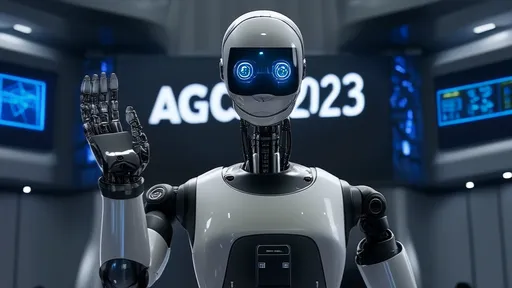
The 2025 AGIC Shenzhen International General Artificial Intelligence Conference commenced today, marking a pivotal moment in the global AI landscape. Under the theme "Connecting Intelligence, Shaping Tomorrow," the event has drawn an unprecedented gathering of the world's foremost AI pioneers, researchers, industry leaders, and policymakers. The atmosphere at the Shenzhen Convention and Exhibition Center is electric with anticipation as attendees prepare for what many are calling the most significant AI convergence of the decade.
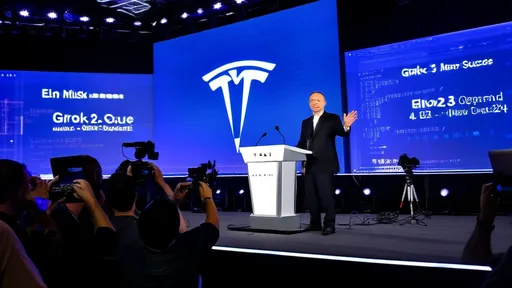
Opening ceremonies were led by conference chair Dr. Wei Zhang, who emphasized the transformative potential of general artificial intelligence in his keynote address. "We stand at the threshold of a new era in human-machine collaboration," Dr. Zhang declared to a packed auditorium. "The developments we're witnessing today will fundamentally reshape how we live, work, and understand intelligence itself." His speech set the tone for a conference that promises to bridge theoretical research with practical applications across multiple domains.
The exhibition hall buzzes with activity as tech giants showcase their latest breakthroughs. Google's DeepMind division unveiled their new neural architecture that demonstrates remarkable progress in transfer learning across disparate domains. Meanwhile, OpenAI's presentation on their latest language model iterations has drawn particularly large crowds, with researchers queuing for demonstrations of the system's improved reasoning capabilities and contextual understanding.
Chinese technology leaders are making equally impressive showings. Huawei's AI research team presented their work on energy-efficient computing architectures that could significantly reduce the carbon footprint of large-scale AI training. Tencent's demonstration of their new multimodal AI system, capable of seamlessly integrating visual, auditory, and textual information, has been particularly well-received by international attendees.
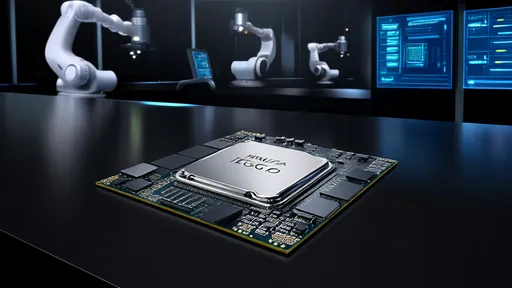
Industry analysts note the particularly strong representation from semiconductor manufacturers, with NVIDIA, Intel, and several Chinese chip designers showcasing specialized processors designed specifically for general AI workloads. The hardware advancements on display suggest that the computational barriers that have historically constrained AI development are rapidly being overcome through innovative engineering approaches.
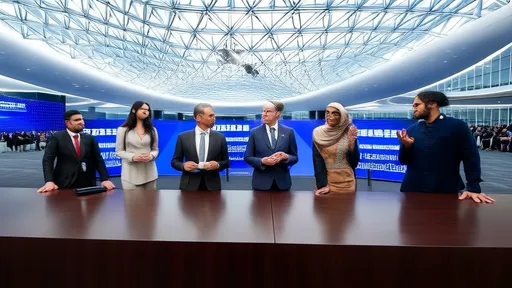
Beyond the technological demonstrations, the conference has become a crucial networking hub for the global AI community. "What's remarkable about AGIC 2025," observes Stanford professor Dr. Alicia Chen, "is how it's bringing together voices that don't always communicate directly. We have academic researchers collaborating with industry practitioners, policymakers engaging with ethicists, and Eastern technological perspectives dialoguing with Western approaches."
The regulatory and ethical dimensions of advanced AI systems feature prominently in the conference agenda. Several sessions focus on developing international standards for AI safety and alignment, with representatives from multiple governments participating in closed-door workshops. The European Union's AI Office has brought a substantial delegation, reflecting the growing importance of transnational cooperation in governing increasingly powerful AI systems.
Startups and smaller research organizations are also making their presence felt throughout the conference. Dozens of emerging companies are showcasing specialized applications of general AI, from medical diagnostics to climate modeling to educational tools. Venture capital firms have descended en masse, with many investors describing the conference as essential for identifying the next generation of AI innovators.
Academic contributions form another critical component of the event. Research papers presented cover topics ranging from novel learning algorithms to philosophical examinations of machine consciousness. The cross-pollination between theoretical computer science, neuroscience, and cognitive psychology is particularly evident in many presentations, reflecting the increasingly interdisciplinary nature of AI research.
One of the most anticipated events is tomorrow's panel on "The Path to Artificial General Intelligence," which will feature leading researchers from across the ideological spectrum of AI development. The discussion promises to address both the technical challenges remaining and the broader societal implications of creating systems with human-like cognitive abilities.
The conference also serves as a recruitment ground, with major tech companies conducting interviews on-site for AI research positions. The demand for top talent continues to outstrip supply, and the competition for the brightest minds in the field remains intense. University students and recent PhDs circulate through the exhibition hall, portfolios in hand, hoping to connect with potential employers.
International collaboration emerges as a recurring theme throughout the day's proceedings. Despite geopolitical tensions in other domains, the AI community appears committed to maintaining open channels of communication and cooperation. Multiple speakers have emphasized the importance of shared safety research and the development of beneficial AI that serves all humanity rather than narrow national interests.
As the first day draws to a close, attendees gather at various networking events throughout Shenzhen. The conversations continue in hotel lobbies, restaurants, and informal gatherings, with researchers comparing notes on presentations, debating technical approaches, and forming new collaborations. The energy suggests that the breakthroughs and connections forged here in Shenzhen will resonate throughout the AI ecosystem for years to come.
The conference continues for two more days, with additional keynotes, technical workshops, and demonstration sessions scheduled. Based on the excitement generated today, AGIC 2025 appears poised to exceed all expectations, solidifying Shenzhen's position as a global hub for artificial intelligence innovation and collaboration.
By /Aug 27, 2025

By /Aug 27, 2025

By /Aug 27, 2025

By /Aug 27, 2025
By /Aug 27, 2025

By /Aug 27, 2025

By /Aug 27, 2025

By /Aug 27, 2025

By /Aug 27, 2025

By /Aug 27, 2025
By /Aug 27, 2025

By /Aug 27, 2025

By /Aug 27, 2025

By /Aug 27, 2025

By /Aug 27, 2025

By /Aug 27, 2025
By /Aug 27, 2025

By /Aug 27, 2025

By /Aug 27, 2025
By /Aug 27, 2025